Why Is My House So Dusty? A Hay Fever Season Plan for Auckland Homes
Dust back on the shelves by Wednesday? Here's where it comes from, why it returns so fast in late spring, and a two-week plan to get on top of it before summer.
 By the It's So Clean team19 November 20266 min read
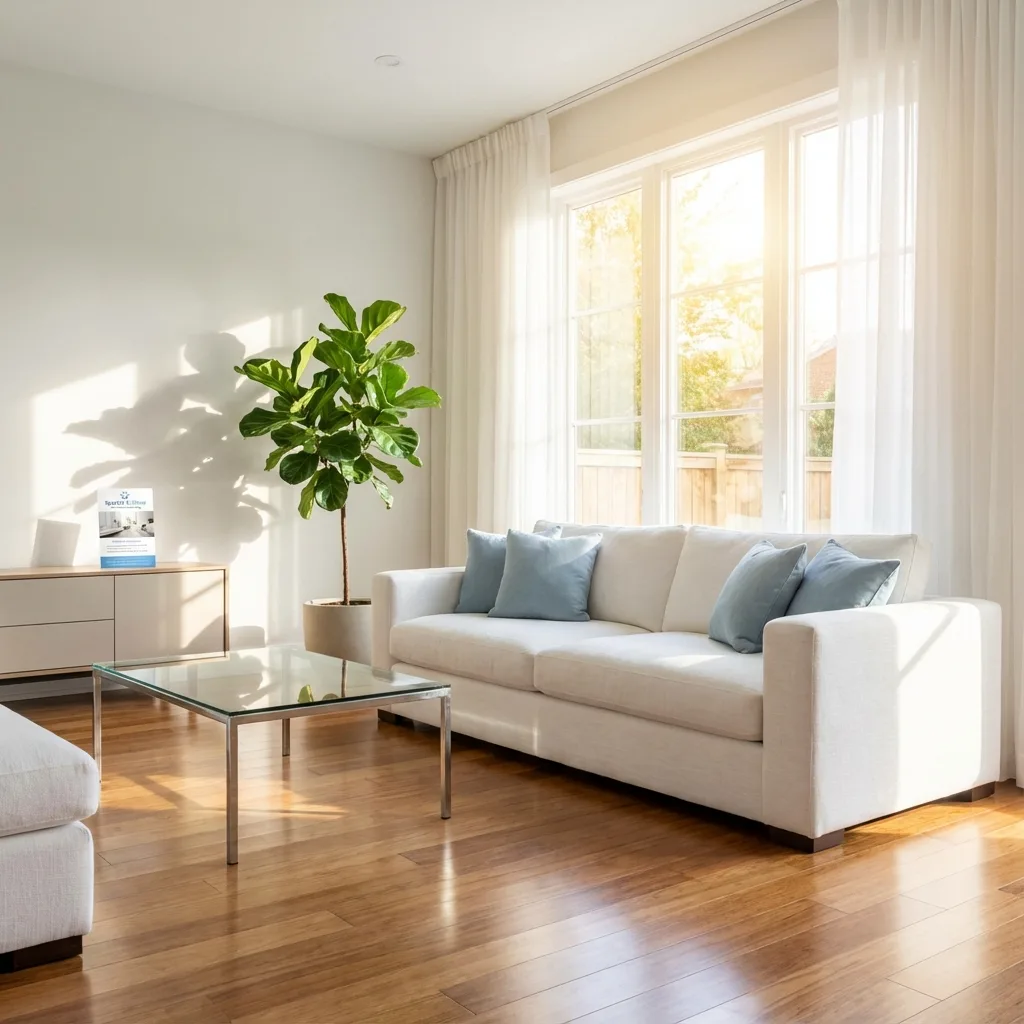
If you've ever wiped a shelf on Sunday and found a grey film on it by Wednesday, you're not imagining it. Why is my house so dusty? It's one of the most common questions we hear from clients on Auckland's North Shore, and it tends to peak right now, in late spring, when hay fever season is in full swing and the sun is low enough to light up every particle in the air.
The short answer: household dust is mostly a mix of fabric fibres, skin flakes, pet hair, soil and pollen tracked in from outside. Some homes make more of it, some homes trap more of it, and a lot of everyday cleaning just moves it around. This guide explains where it comes from, why it comes back so fast, and a simple plan to get on top of it before summer.
What household dust actually is
Household dust is a blend of what's inside the home and what comes in from outside. Inside, it's fibres from carpets, couches, towels and bedding, plus skin flakes and hair from people and pets. Outside, it's soil on shoes, fine particles through open windows and, at this time of year, pollen.
Mixed into it are house dust mites. These are tiny bugs, too small to see without a microscope, that feed mainly on the skin flakes we shed. Healthify NZ notes they live wherever people do and concentrate in mattresses, bedding, carpets and soft toys, and that they thrive in warm, moist places. For people who are allergic to them, that's a big part of why a dusty house feels worse than it looks.
Why is my house so dusty even after cleaning?
When dust comes back within days, it's usually one of these:
- Dry dusting. A feather duster or dry cloth lifts dust into the air, and it settles again a few hours later. A damp microfibre cloth holds it.
- The wrong order. Vacuuming first and dusting second drops everything back onto the clean floor. Work top to bottom: high surfaces, then furniture, then floors.
- A vacuum that leaks. A full bag, a clogged filter or a vacuum without a fine filter blows the smallest particles straight back out. Healthify NZ recommends a vacuum fitted with a suitable filter, such as a HEPA filter.
- Soft furnishings. Carpets, rugs, cushions, throws and curtains both make dust (fibres) and store it. Every time someone sits down, some of it goes back into the air.
- Missed collectors. Tops of door frames, skirting boards, light shades, ceiling fans, rangehood filters and heat pump filters quietly gather dust and release it again when air moves.
- Pollen season. Open windows and laundry dried outside bring pollen indoors on fabric, hair and shoes.
If you fix only one thing, swap dry dusting for a damp cloth and work from the top down. It makes a visible difference within a week.
Hay fever season in Auckland: why spring feels worse
New Zealand has a long pollen season. University of Auckland researchers describe spring as the worst time, starting with tree pollens, and say that by October more grass pollen is released, lasting through to around Christmas. Grass pollen is the main outdoor contributor to allergies in New Zealand, with perennial ryegrass one of the biggest culprits.
That matters indoors because pollen doesn't stay outside. It drifts in through open windows and doors, sticks to washing on the line, and comes in on clothes, hair and pets. The same researchers suggest keeping windows closed during high-pollen periods and not hanging washing outside when pollen counts are high.
For a North Shore home, that means mid-November to Christmas is exactly when a dust routine pays off most. If someone in your household has hay fever, asthma or allergies, follow their GP's advice first. The cleaning plan below is about reducing what's in the house, not treating anyone.
How to reduce dust in a house with pets
Pets add hair, dander and whatever they carry in from the garden or the beach. You don't need to choose between your dog and a clean house, but you do need a slightly different routine:
- Vacuum more often, and slowly. Pet homes usually need floors and rugs done at least twice a week. Slow passes pick up far more than quick ones.
- Wash pet bedding weekly. It's one of the biggest dust and hair sources in the house.
- Brush pets outside where you can, so loose hair doesn't end up on your floors.
- Wipe low surfaces. Glass doors, skirting boards and the lower part of walls collect nose prints, hair and dust at pet height.
A two-week dust reset plan
This is a practical plan for the next fortnight, while pollen is high. It works best done in this order.
Week one: bedrooms and soft furnishings
- Wash all bedding, including pillow protectors, on a long hot cycle (Healthify NZ suggests above 60°C to kill dust mites)
- Vacuum mattresses, along bed bases and underneath beds
- Vacuum couches, cushions and under cushions
- Wash or air throws and pet bedding
- Damp-wipe bedside tables, shelves, headboards and wardrobe tops
- Clear clutter from bedroom surfaces so there's less to dust
Week two: the dust collectors
- Wipe tops of door frames, picture frames and skirting boards
- Clean light shades and ceiling fan blades (top to bottom, then vacuum)
- Clean your heat pump filters, following the manufacturer's instructions
- Wash the rangehood filters
- Vacuum heat pump and bathroom fan grilles, then damp-wipe
- Finish with a slow vacuum and a damp mop of hard floors
Every week while pollen is high
- Keep windows closed on high-pollen, windy days
- Damp-dust the main living areas and vacuum floors (twice in pet homes)
- Leave shoes at the door
Healthify NZ also suggests keeping indoor moisture low with ventilation or a dehumidifier and not drying washing indoors, because dust mites like damp air. In practice it's a balance: on high-pollen days, use the dryer; on calmer days, open up and air the house.
When to call in a professional deep clean
Most of the plan above is very doable yourself. A professional deep clean makes sense when:
- dust is coming back within a couple of days, even with a good routine
- you haven't had a thorough top-to-bottom clean in six months or more
- someone in the home struggles with dust and you want the hard-to-reach places done properly once, then maintained
- you're short on time heading into the Christmas rush
A deep clean is a thorough reset of the whole home that covers the details a regular clean skips: inside empty cupboards and wardrobes, skirting boards, wall spot cleaning, internal windows, and a detailed kitchen and bathroom clean. Inside the oven and fridge are optional add-ons. Our deep cleans start from $230 + GST, and a regular weekly or fortnightly clean afterwards keeps dust from building back up.
How we help North Shore homes stay on top of dust
At It's So Clean we do 65–80 cleans a week across Auckland's North Shore, in small teams led by team leaders who work from the same room-by-room checklist on every job. We bring our own supplies and equipment at no extra charge, you don't need to be home (a key or access code is fine), and we're fully insured. If anything isn't right, tell us within 24 hours and we'll come back and re-clean it for free.
We don't clean carpets ourselves. If your carpets need a proper clean after a long winter, we can refer you to our partner, Alex Cleaning Solutions.
Want a dust-free start to summer? Have a look at our deep cleaning service, or get in touch with the size of your home and we'll come back with a quote.
Questions we get asked
Why is my house so dusty even after cleaning?
Usually because the dust is being moved rather than removed. Dry dusting lifts particles into the air, vacuuming before dusting drops them back on the floor, and a vacuum with a full bag or clogged filter blows fine dust back out. Dust with a damp microfibre cloth, work from the top down, and vacuum last with a well-filtered vacuum.
What causes a lot of dust in a house?
Household dust is a mix of fibres from carpets, couches and bedding, skin flakes, pet hair and dander, soil tracked in on shoes, and pollen from outside. Homes with lots of soft furnishings, pets or open windows in spring tend to have more of it. Dust mites, which feed on skin flakes, live in mattresses, bedding, carpets and soft toys.
How do I reduce dust in my house with pets?
Vacuum floors and rugs at least twice a week, slowly, with a vacuum that has a fine filter. Wash pet bedding weekly, brush pets outside where possible, and wipe low surfaces such as glass doors and skirting boards where hair and dust collect at pet height.
When is hay fever season in Auckland?
New Zealand has a long pollen season. Spring is the worst time, starting with tree pollens; by October more grass pollen is released, and it can stay a problem until around Christmas. Grass pollen, especially perennial ryegrass, is the main outdoor allergy trigger in New Zealand.
Does a deep clean help with dust?
Yes. A deep clean covers the places routine cleaning skips, such as skirting boards, inside empty cupboards and wardrobes, internal windows and wall spot cleaning. On Auckland's North Shore, It's So Clean deep cleans start from $230 + GST, and a regular weekly or fortnightly clean afterwards keeps dust from building back up.
Keep reading
All articles → Seasonal
20 July 2026 · 8 min read
The Ultimate Spring Cleaning Checklist for Auckland Homes
A room-by-room spring cleaning checklist built for Auckland's damp winters: tackle mould, dust, carpets and post-winter grime before the warmer months arrive.
Read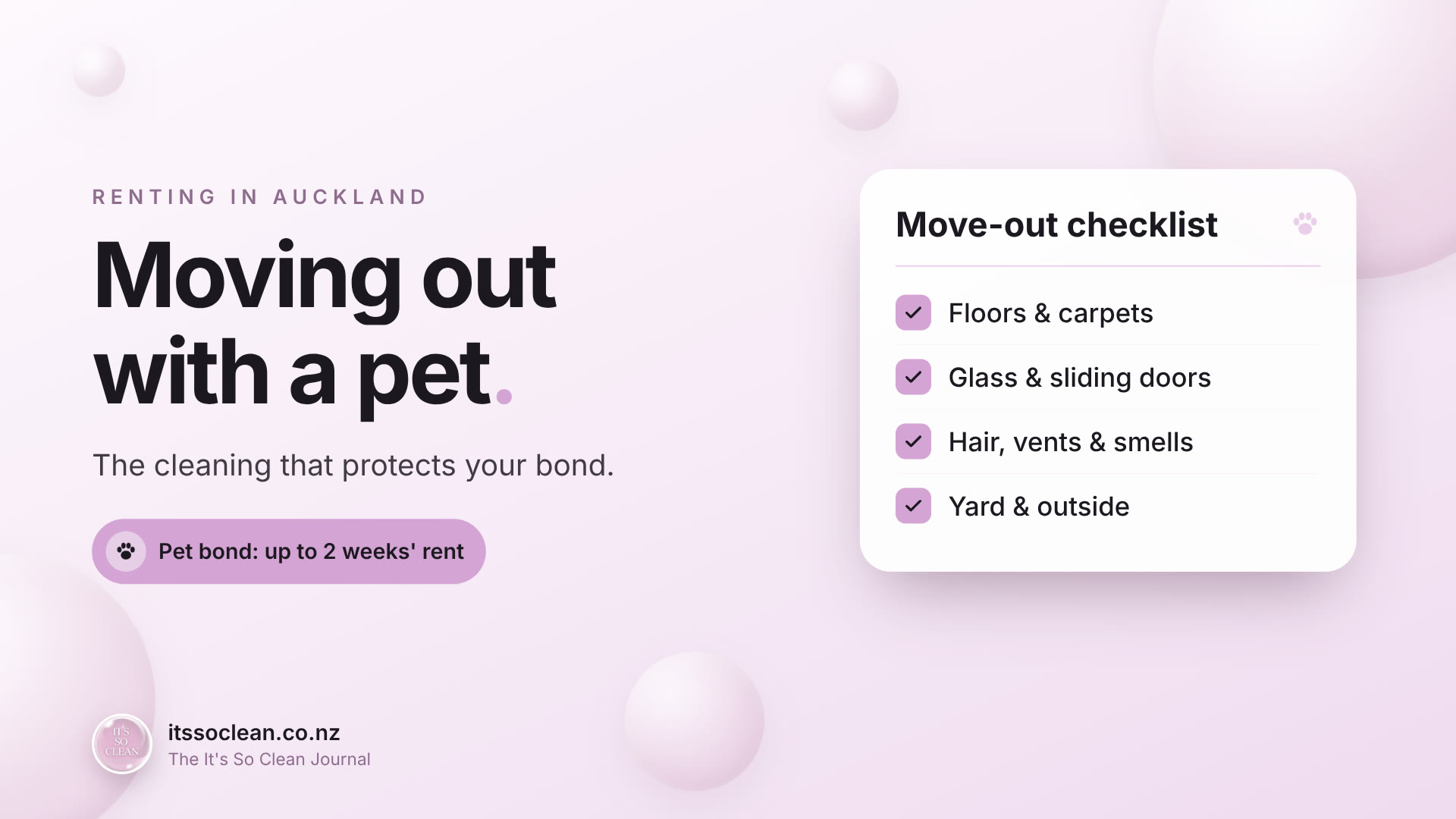 Checklists
5 November 2026 · 6 min read
Moving Out With a Pet: The Cleaning That Protects Your Bond
Since December 2025, renters can keep pets with a pet bond of up to two weeks' rent. Here's what to clean, what to book, and in what order.
Read Behind the scenes
22 October 2026 · 6 min read
What to Expect From a House Cleaner: How We Keep 65–80 Weekly Cleans Consistent
Hiring a cleaner for the first time? Here's what to expect from the first visit onwards, the questions worth asking, and how we keep the standard the same every week.
Read